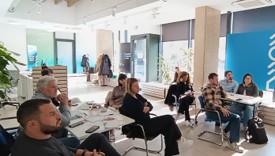
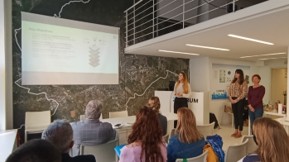
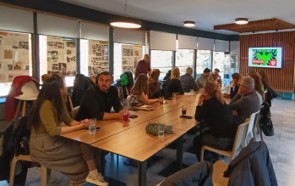
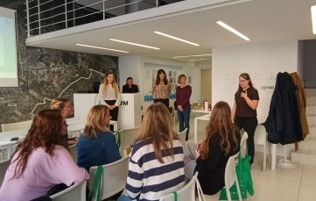
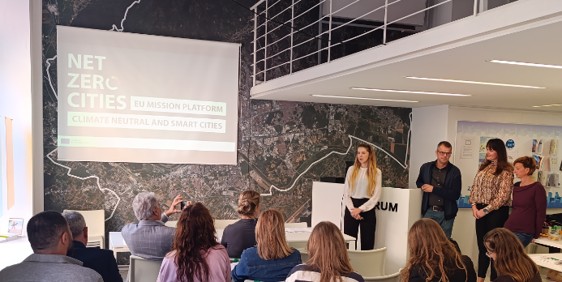
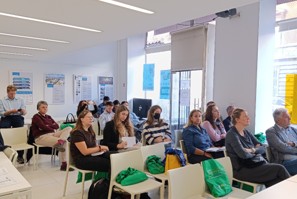
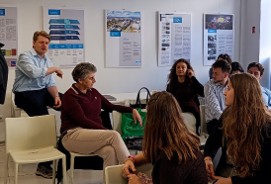
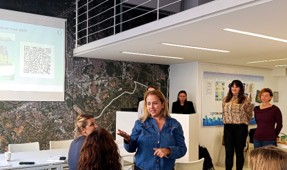
From October 13th to 15th, the City of Zagreb hosted representatives from Drama (Greece), Penafiel (Portugal), and Viladecans (Spain) as part of the "Group Study Visits" (GSV) cooperation program under the NetZeroCities initiative. Additionally, the city welcomed representatives from Budapest (District V, Hungary) and Bucharest (District 2, Romania) under the European Urban Initiative (EUI) and the "City-to-City" knowledge-exchange program, with support from colleagues at the Association of Cities.
It is worth noting that the City of Zagreb is highly active in the NetZeroCities program, represented by a team from the Department for the Preparation and Implementation of EU Projects (within the City Administration’s Professional Services), alongside colleagues from various other city offices and agencies.
Nebojša Ivančević, Dražana Halar, and Natalia Halbauer are working on the GSV and EUI cooperation projects.
Support for the GSV Cohort 2 cooperation project is provided through the GSV-NZC framework by a team including Ida Jusić/eurocities and
Vlatka Berlan Vlahek/energy cities (a city advisor responsible for Zagreb in its capacity as a "Mission City," who also assists with the implementation of the ActGREEN project and supports colleagues at REGEA in developing the City Climate Contract).
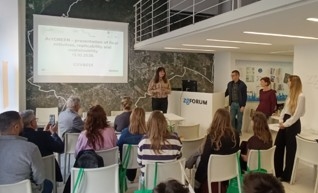
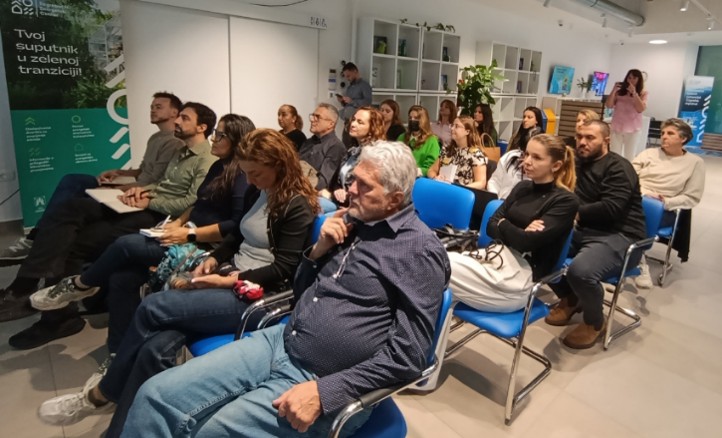
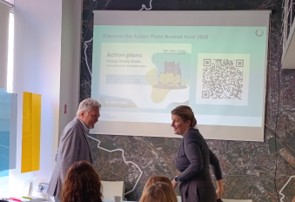
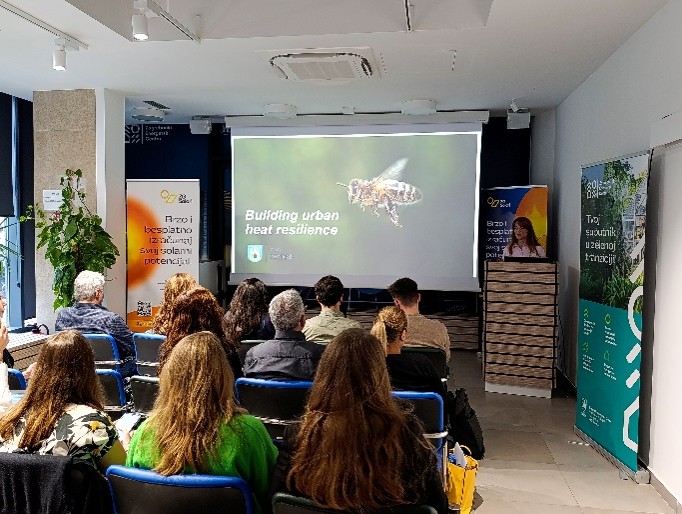
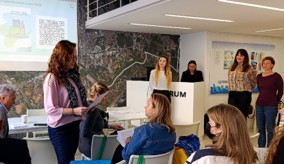
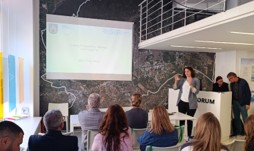
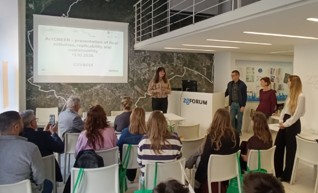
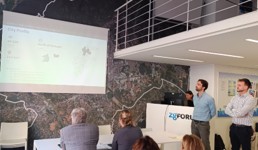
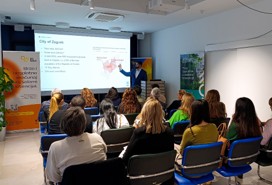
On the first day of the collaboration, October 13, 2023, the group met at the ZG Forum (Gajeva 27), hosted by colleagues Matija Poje and Matija Vuger from the City Office for Economy, Energetics and Environment protection. During the introductory meeting, all participants were introduced, and NetZeroCities coordinators welcomed both the host city and the visiting cities. As part of the "Group Study Visits" cooperation program and the NetZeroCities (NZC) initiative, representatives from
Drama (Greece),
Penafiel (Portugal), and
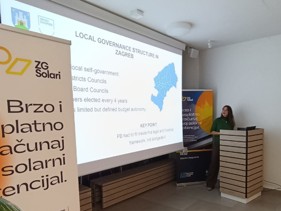
Viladecans (Spain)—along with District V of Budapest (Hungary) and District II of Bucharest (Romania)—participated in the event. Each of these cities delivered a brief informative presentation, introducing their local government units and the specific topics they are currently addressing.
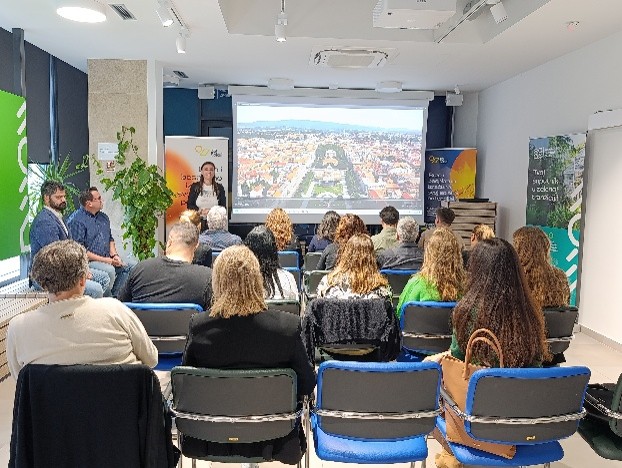
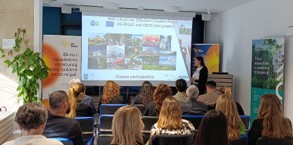
A representative from the NetZeroCities consortium explained the purpose of the cooperation program, which supports the implementation of the NZC initiative. Additionally, the activities of the participating cities—Drama, Penafiel, and Viladecans—were showcased, highlighting how they support the work of the "mission cities."
Throughout the day, members of the
ActGREEN project team—Iva Rechner Dika from the Faculty of Agriculture, along with Natalia Halbauer and Nebojša Ivančević—gave presentations covering the latest updates and deliverables of the ActGREEN project, which focuses on activating green courtyards to achieve carbon neutrality.
Another key guest was
Jelena Marković from REGEA, who delivered presentations focusing on the financial structure of the City of Zagreb and its budget taxonomy—specifically regarding green infrastructure. Her presentation also addressed budget components that directly contribute to the EU Mission for Climate-Neutral and Smart Cities, the European Green Deal, and the UN Sustainable Development Goals.
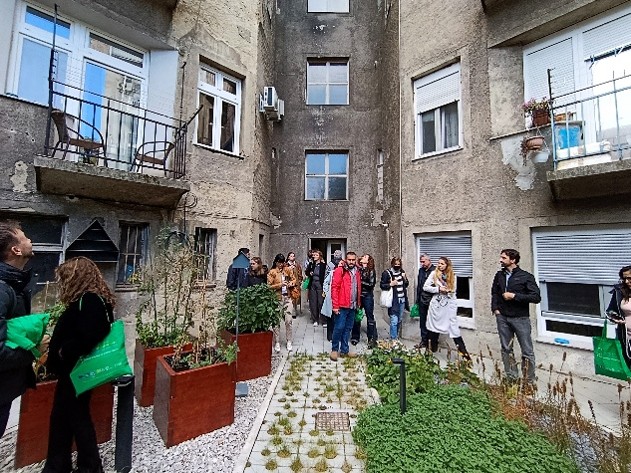
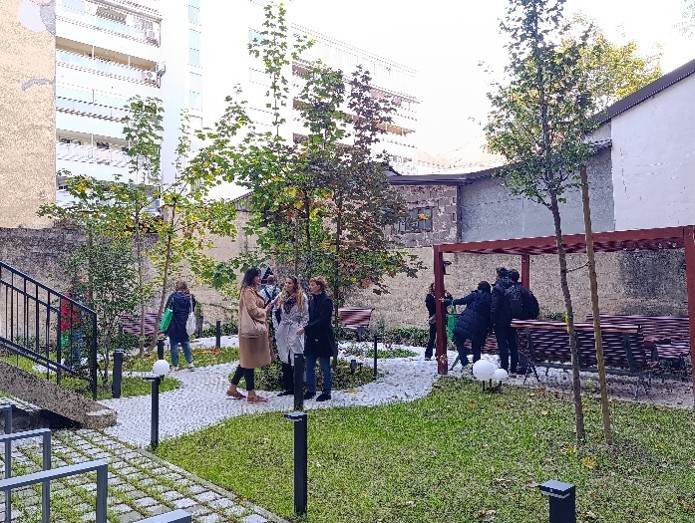
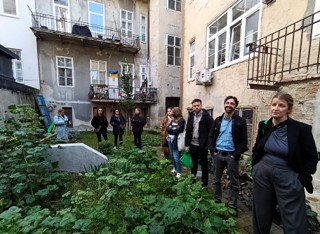
Furthermore, REGEA presented complementary projects and potential areas for collaboration with the visiting cities, with a focus on nature-based solutions, as well as climate change mitigation and adaptation efforts. It is worth noting that, on the first day, we also conducted a study visit to courtyards revitalized through the ActGREEN project, as well as through a pilot project for the greening of the City of Zagreb. The locations visited were: Square K.P. Svačića 17, Palmotićeva street 29, and Matka Laginje street 5.
We also note that, on the first day, all the visiting cities—along with the City of Zagreb—held brief introductory discussions regarding communications with Alan MacKenzie, a communications expert from the NZC (Net Zero Cities) project, who represented ICLEI.
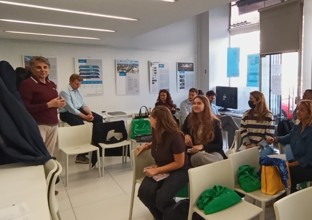
On the second day, October 14th, we were hosted by our colleagues at the Zagreb Energy Centre (ZEC) at Maksimirska 51—namely Filip Ćurko, Damir Saftić, Svibor Jančić, and Patricija Mehun—along with
Marijo Spajić from the City Office for Economy, Energetics and Environment protection. The session began with a video presentation on key strategic projects for the City of Zagreb, followed by an overview—
provided by ZEC head Filip Ćurko—of the activities and projects in which the Zagreb Energy Centre is involved. Following the team from ZEC and the City Office for Economy, we were joined by colleagues from the City Office for Local Self-Government, Transport, Utility Services, Civil Protection, and Security.
Marija Rukljač Jelinić gave a presentation on the participatory budgeting project and its progress, while
Barbara Tomičević provided updates on initiatives concerning wildflower meadows, pocket forests, and the tree-planting program. Finally,
Dražana Halar from the City Administration’s General secretariat delivered a presentation on the participatory approach involving Zagreb citizens in the context of the EU’s cohesion policy. The second day included a visit to colleagues at the Zagreb Zoo, who showcased key projects—demonstrating how Zagreb Zoo can serve as an excellent partner for the visiting cities; a presentation on these projects was delivered by Jurica Ambrožić.
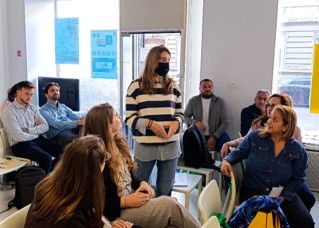
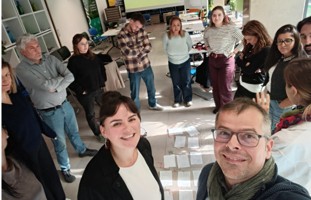
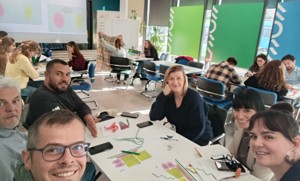
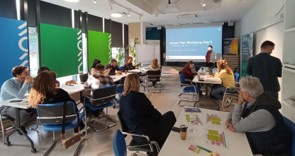
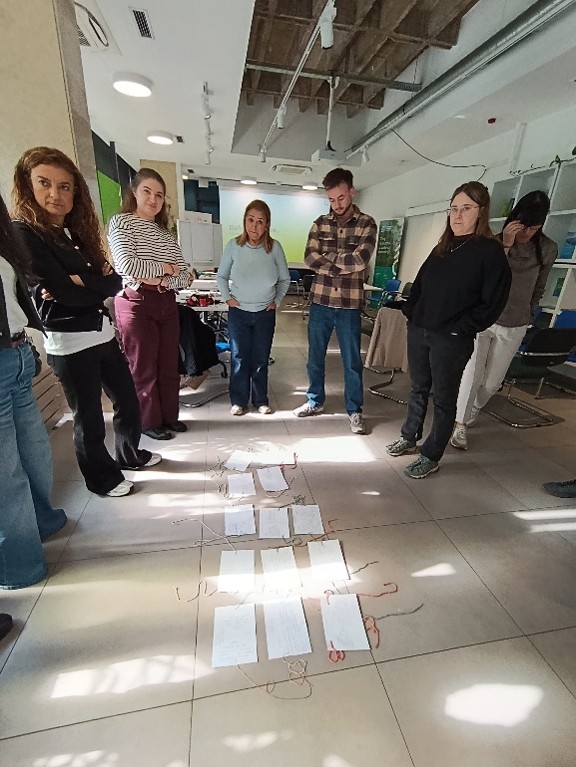
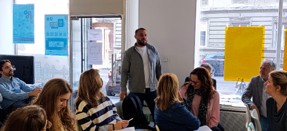
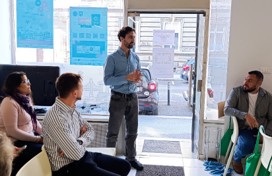
The third day was hosted at the premises of the Zagreb Energy Centre (ZEC). The final day of the cooperation program focused on workshops aimed at developing a framework for action plans for the cities of Drama, Penafiel, and Viladecans, while the EUI cities explored examples of sustainable financing, drawing on the experiences of the City of Zagreb, Budapest’s District V, and Bucharest’s District 2. Through teamwork at the ZEC, the participants identified the knowledge, practical solutions, and experiences that the mission cities—and the cities supporting them—could offer one another.