Representatives of the City of Zagreb and
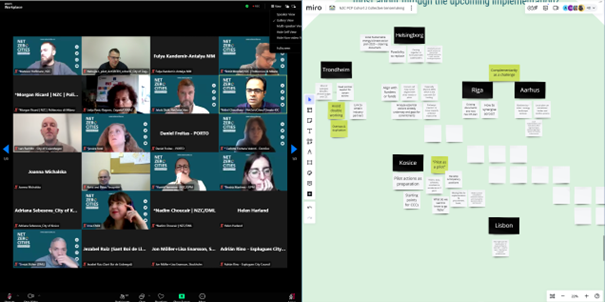
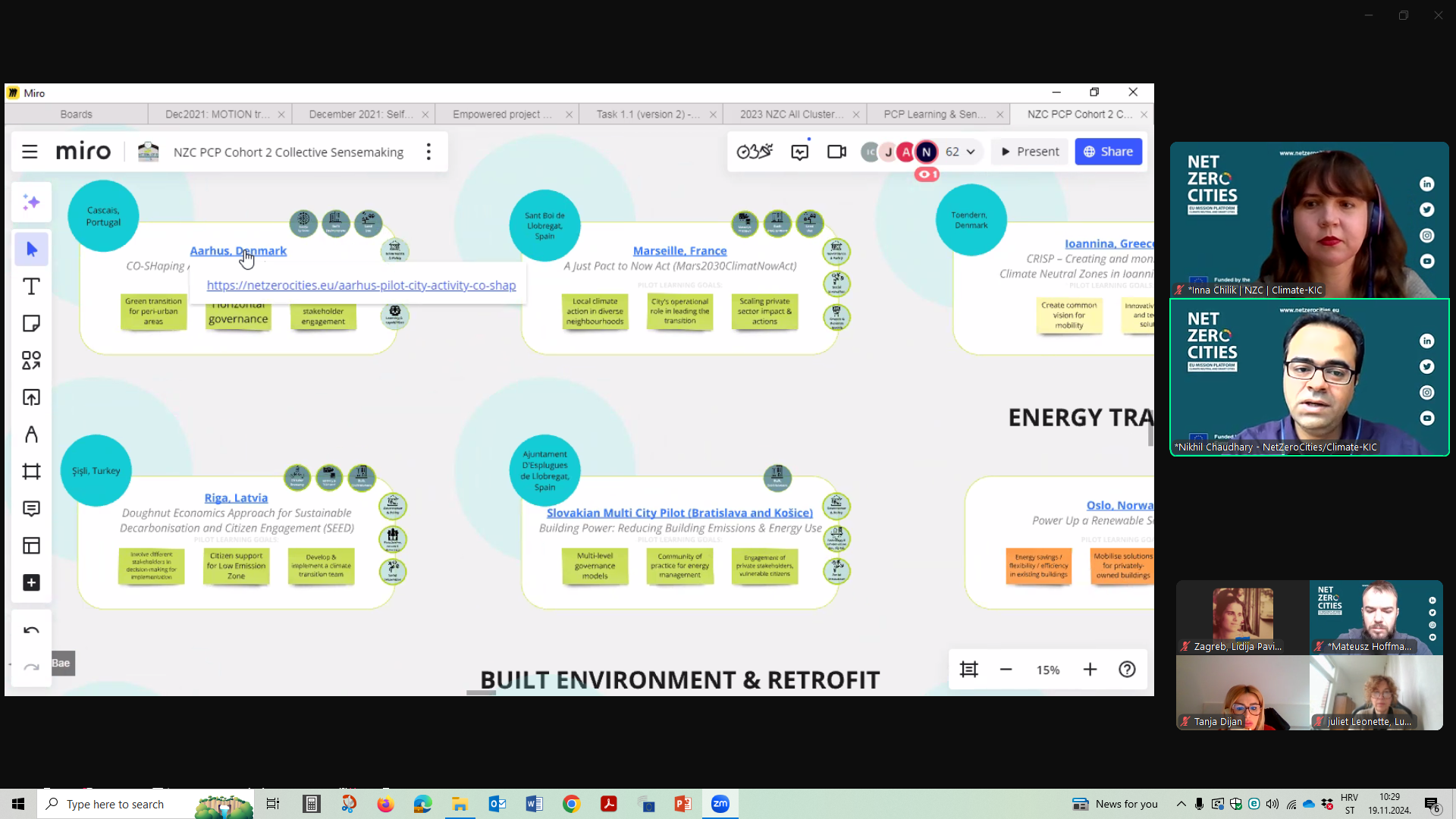
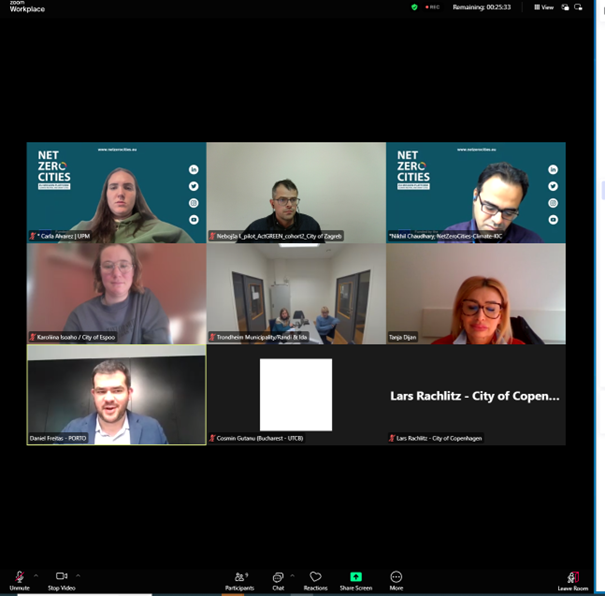
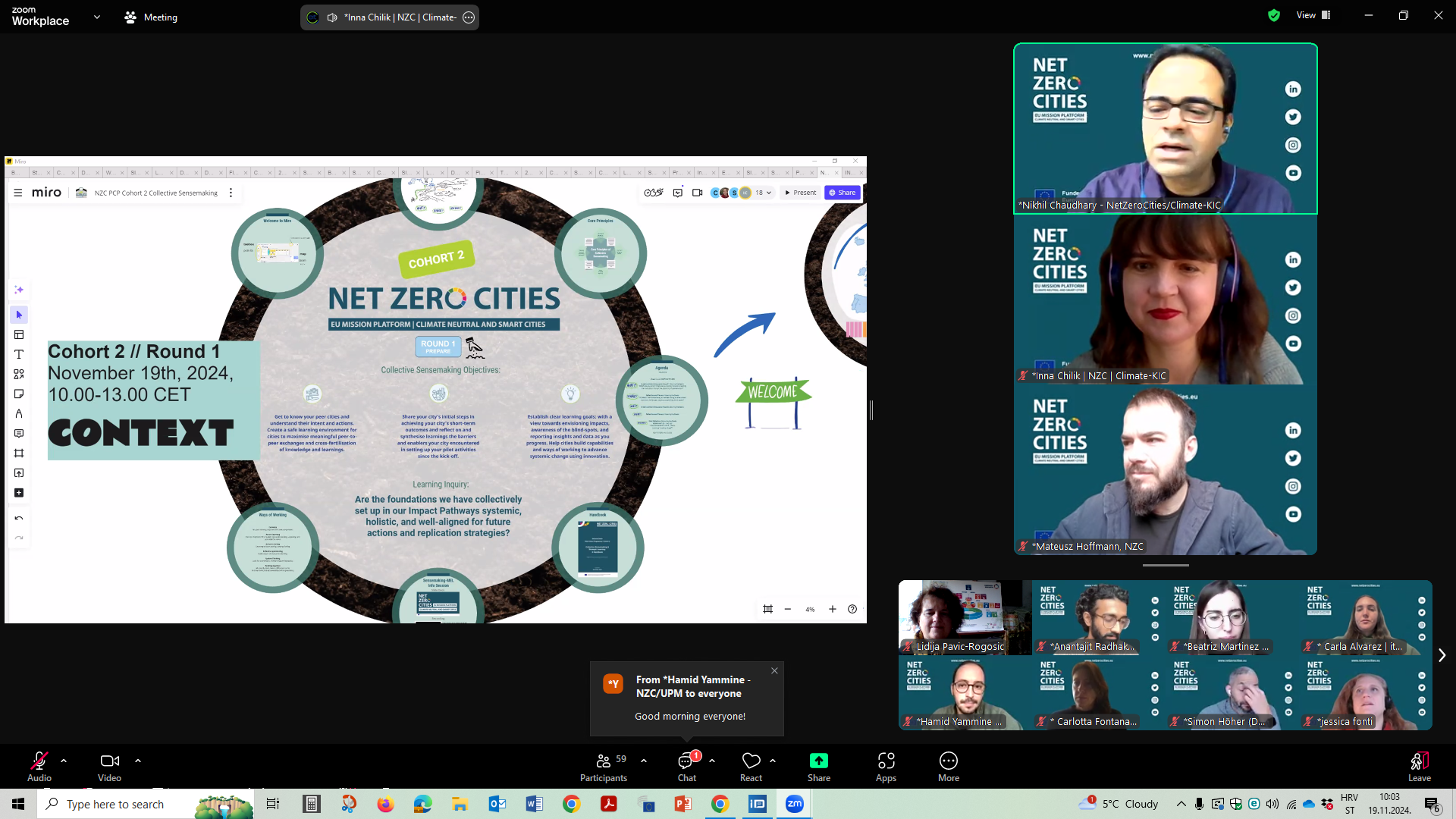
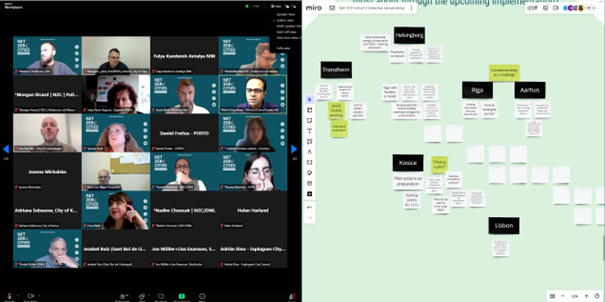
ODRAZ, partners in the ActGREEN project, participated on 19 November 2024 in an interactive collective sensemaking workshop organised by EIT Climate‑KIC for pilot cities in the NetZeroCities project.
Collective sensemaking
Collective sensemaking is a process of creating shared understanding among a group of people, often in response to complex societal challenges. It involves sharing different perspectives and jointly creating meaning in order to reach a common understanding of the challenge ahead, the opportunities and the ways to make progress.
There are several ways in which collective sensemaking can help address complex societal challenges:
- It draws on the wisdom of the group: by bringing together a diverse group of individuals with different perspectives and experiences, collective sensemaking can tap into the group’s collective intelligence. This can lead to insights and solutions that may not have been obvious to any single individual.
- It promotes collaboration: collective sensemaking requires participants to actively listen to one another and work together to reach shared understanding. This can help build trust and promote cooperation, which is essential for addressing complex challenges that require the involvement of multiple stakeholders.
- It can lead to more inclusive solutions: by incorporating diverse perspectives and experiences, collective sensemaking can help ensure more inclusive solutions that take into account the needs and interests of a wider range of stakeholders.
- It can help build a shared vision for the future: through collective sensemaking, participants can work together to create a shared vision for the future based on a deeper understanding of the challenges ahead. This shared vision can serve as a guide for future action.
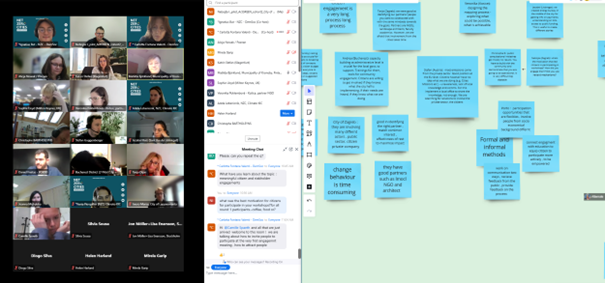
During the workshop, participants had the opportunity to work in smaller thematic groups to exchange information, experiences and ideas relevant to achieving project goals, especially in the segment related to sensemaking, strategic learning and knowledge sharing. The purpose of the workshop was to understand the needs of pilot cities in the NetZeroCities project and how to successfully implement project activities in the participating cities.
During the first round of the workshop, representatives of pilot cities and cities learning from pilot cities were able to choose one of the following thematic areas:
- Effective citizen engagement and mobilisation;
- Multi‑stakeholder collaboration and partnerships;
- Built environment and energy transition;
- Innovative financial and business models;
- Data, digital solutions and platforms;
- Pilot activities and integration of climate contracts for cities.
The City of Zagreb, the lead partner of the ActGREEN project, joined the thematic group “Effective citizen engagement and mobilisation”. Participants in this group shared their experiences, examples and challenges they face in their projects and cities. Representatives from Portugal, Austria, the Czech Republic, Spain, Poland (Poznań, Zagreb’s twinned city), Finland, Bulgaria and other countries took part.
ODRAZ actively participated in the thematic group “Multi‑stakeholder collaboration and partnership building”. The aim of this group was to share experiences, successful examples and practical challenges. Representatives from Poland (Poznań, Zagreb’s twinned city), Slovakia, Sweden, Denmark, Finland and other countries were present.
In the second part of the workshop, participants could work on the following topics:
- Behavioural, cultural and mindset change;
- Building a transition team;
- Transport and mobility portfolio;
- Monitoring, evaluation, learning and reporting;
- Strengthening the capacities of local governments;
- Multi‑level governance and national networks/platforms.
Representatives of the City of Zagreb chose the thematic group “Monitoring, evaluation, learning and reporting”. Participants in this group shared their experiences, examples and challenges encountered in their projects. Representatives from Portugal, Denmark, Finland and Norway took part.
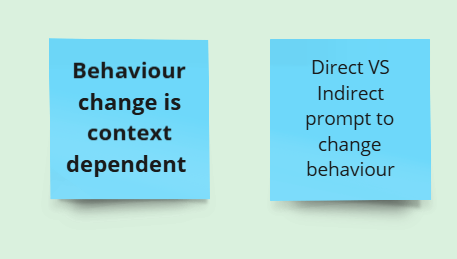
The ODRAZ representative participated in the thematic group “Behavioural, cultural and mindset change”, with the aim of informing participants about examples and challenges cities face in practice. Participants in this group included cities from Finland, Sweden, France, Poland (Poznań, Zagreb’s twinned city) and other countries. It was interesting to hear that the city of Marseille is planning a very similar project dedicated to greening urban areas. The city of Lund presented its programme for analysing the impacts of its projects to determine what did not work well and which practices should continue in the future.
After each round, a brief summary of the discussions was presented, followed by a short plenary session.
EIT Climate‑KIC is Europe’s leading climate innovation agency and community supporting cities, regions, countries and industries in achieving their climate goals through system innovation and transformations based on specific local conditions.
NetZeroCities supports Europe, and especially European cities, in reducing greenhouse‑gas emissions through climate action to achieve “climate neutrality”, one of the greatest challenges our societies face today.
----------
We invite you to follow the
project’s LinkedIn profile, where we regularly share all project updates. Also follow us on Facebook and Instagram and use the hashtag #ACTGreenZagreb to stay up to date with all news! Follow us on LinkedIn and be part of our community working on creating “green courtyards for a sustainable Zagreb”.