Zagreb’s model for sustainable urban transformation
Stories from pilot cities
Zagreb is one of 112 cities participating in the EU Mission for 100 climate‑neutral and smart cities, as well as in the Pilot Cities Programme - a component of the Mission focused on exploring and testing pathways to rapid decarbonisation over a two‑year period.
In the heart of Croatia, Zagreb is showing how the path to climate neutrality can begin in the most unexpected places. By embedding climate goals into every layer of governance, transforming its financial approach and turning neglected courtyards into vibrant green hubs, the Croatian capital is transforming everyday spaces into engines of systemic change.
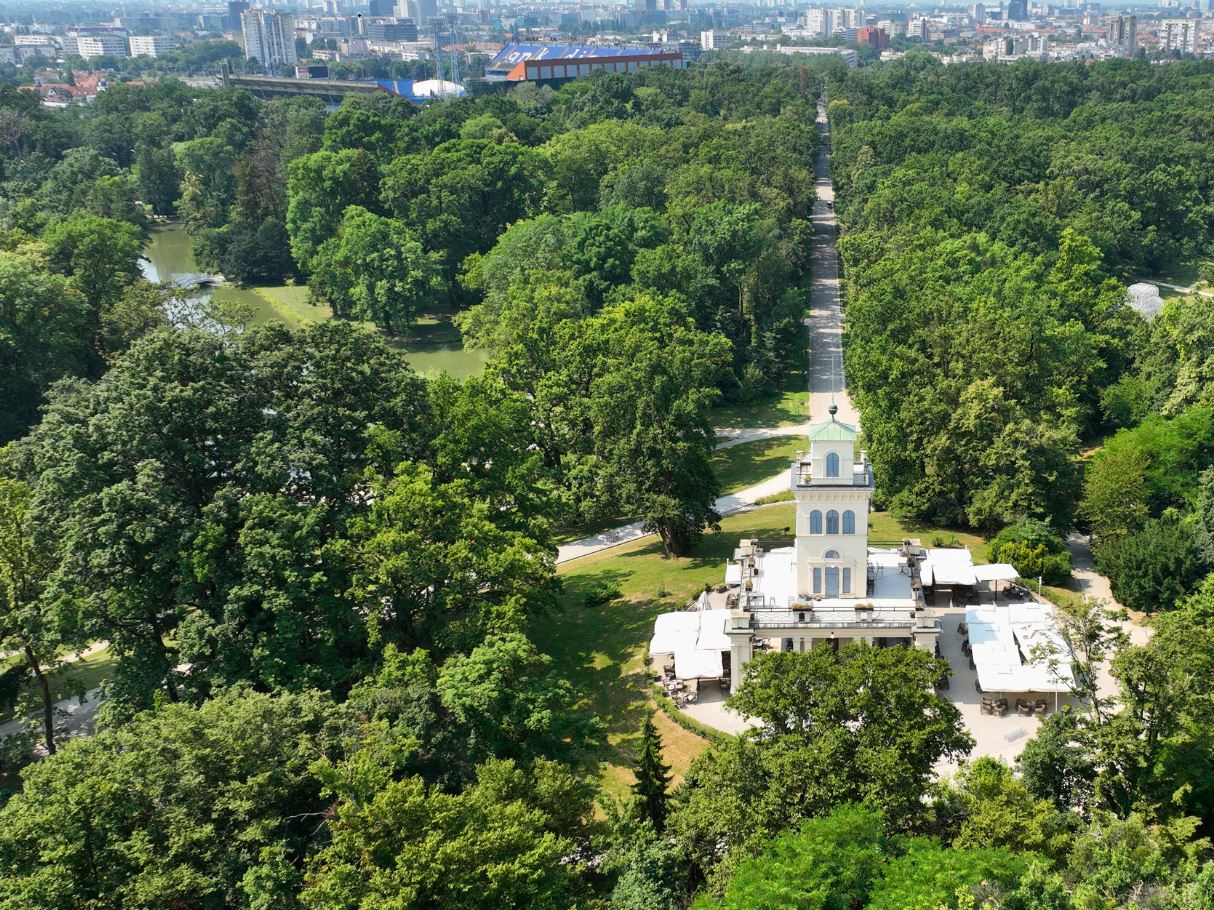
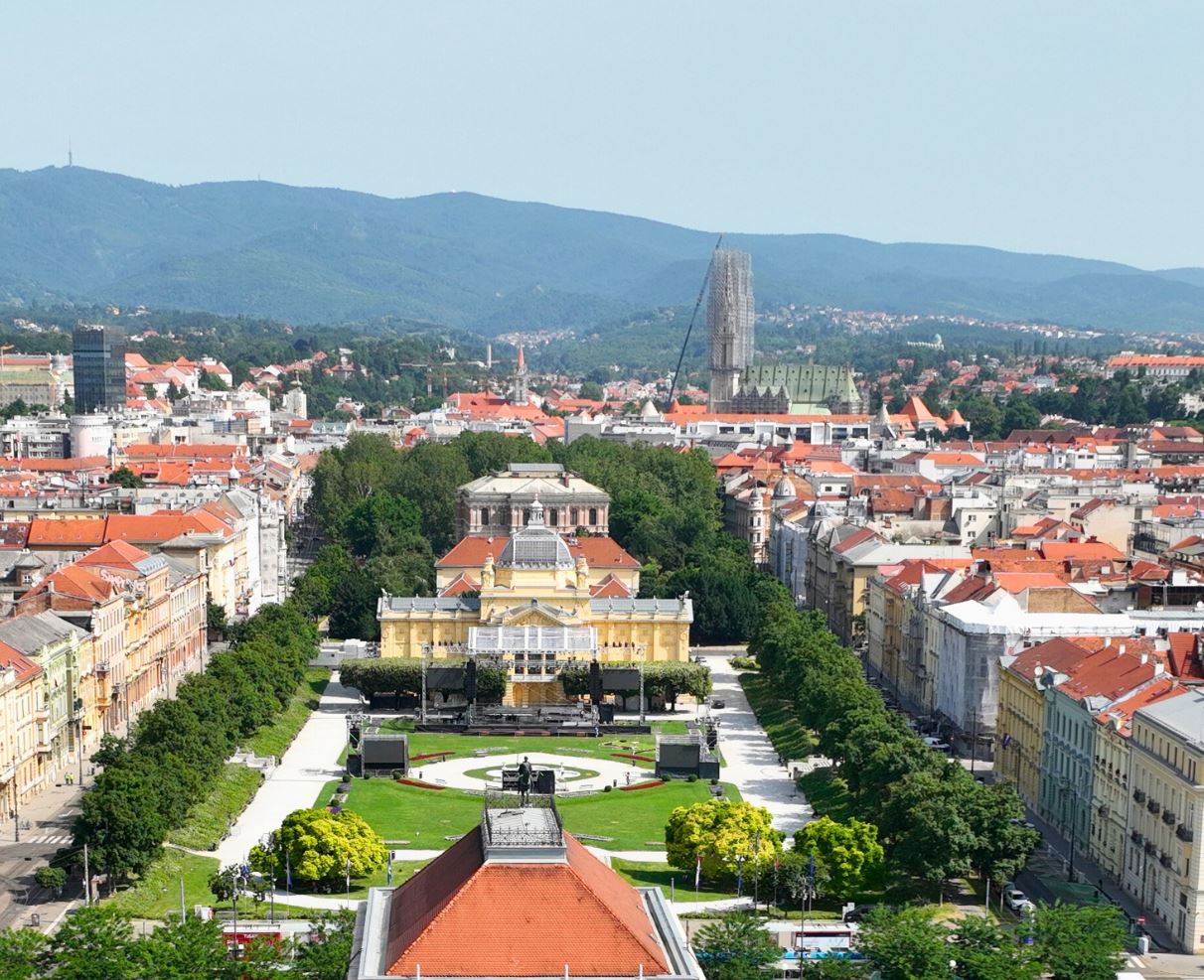
At first glance, Zagreb already appears to be a green city. Two‑thirds of its administrative area is covered by forests and agricultural land. The Sava River cuts through the city, and the northern skyline is dominated by the forested slopes of Mount Medvednica. But as climate pressures intensify and summer nights grow warmer, Zagreb’s leaders know that preserving this greenery is no longer enough and that climate‑action measures are needed.
“We are warming very quickly. In the last two decades, heat stress has increased by 88 percent compared to the previous ones. It’s a combination of rapid urbanisation and climate change. We need to find new ways to make the city comfortable again,” said Miljenko Sedlar, Head of the Climate Department at REGEA (Northwest Croatia Regional Energy and Climate Agency), which collaborates with the City of Zagreb.
This understanding has become the foundation of Zagreb’s path to climate neutrality, built on interconnected systems rather than isolated actions.
A systemic approach to urban transformation
Zagreb’s City Climate Contract, developed through the NetZeroCities programme, sets out a vision that links mitigation and adaptation, embedding climate goals directly into the way the city is planned, financed and governed.
“We realised we cannot achieve decarbonisation through standalone or sporadic measures. Our approach had to be systemic,” Sedlar explained.
In practice, this means addressing the root causes of emissions through key urban systems, from how urban areas are designed and built to how budgets and regulations support climate goals.
The city’s Green Urban Plan integrates decarbonisation pathways into zoning, introducing zero‑emission districts and banning natural gas in certain areas.
“In Zagreb, construction no longer follows national standards. It goes above them. New guidelines for architects and engineers raise building standards in line with the European Green Deal,” Sedlar said.
It also means rethinking how public money is spent. Zagreb is implementing a green‑budgeting pilot with the Croatian Ministry of Finance, tagging each budget line to understand how much public funding supports climate goals.
“Four years ago, around 11 percent of our budget went to climate action. Now it’s 15.7 percent. But more importantly, we can finally see where that money goes,” Sedlar said.
A HUB for climate‑neutral greening
Systemic change in Zagreb is also shaped through the Pilot Cities Programme. At the heart of the initiative is the
Climate‑Neutral Greening Hub, a one‑stop shop providing citizens with guidance, data and tools to support their own green transformations. The Hub will operate both online and on‑site, connected to the
Zagreb Smart City Hub platform, which already offers open data on solar potential, green areas and energy use.
“The Hub/One‑Stop Shop will make it easier for people to find information and take action. It connects with the
Zagreb Energy Centre and other departments so residents, associations and businesses can participate in the transition,” explained Ivančević.
This civic infrastructure ensures continued local engagement even after a project ends. By embedding participation into the city’s digital and administrative systems, Zagreb is turning citizen involvement into a lasting direction for climate governance.
Nature at the heart of urban planning
The project also serves as a testing ground for large‑scale nature‑based solutions. A new carbon‑sink calculator, currently under development, is expected to measure how much greenhouse‑gas absorption can be achieved through local greening.
“We want to use this data for future planning. We are also developing citywide guidelines that will make nature‑based solutions and green infrastructure central to every reconstruction or new development,” Sedlar said.
This effort goes beyond adding greenery. It changes the logic of urban development.
“Our idea is to make green infrastructure an integral part of design, not an afterthought. Only then can we achieve real transformation,” Sedlar explained.
Zagreb’s City Climate Contract reflects this philosophy by bringing mitigation and adaptation into a single unified framework. Every new or renovated piece of infrastructure must now be climate‑resilient, and nature‑based solutions are prioritised as standard practice.
Greening from the ground up
To combat urban heat islands, the pilot initiative
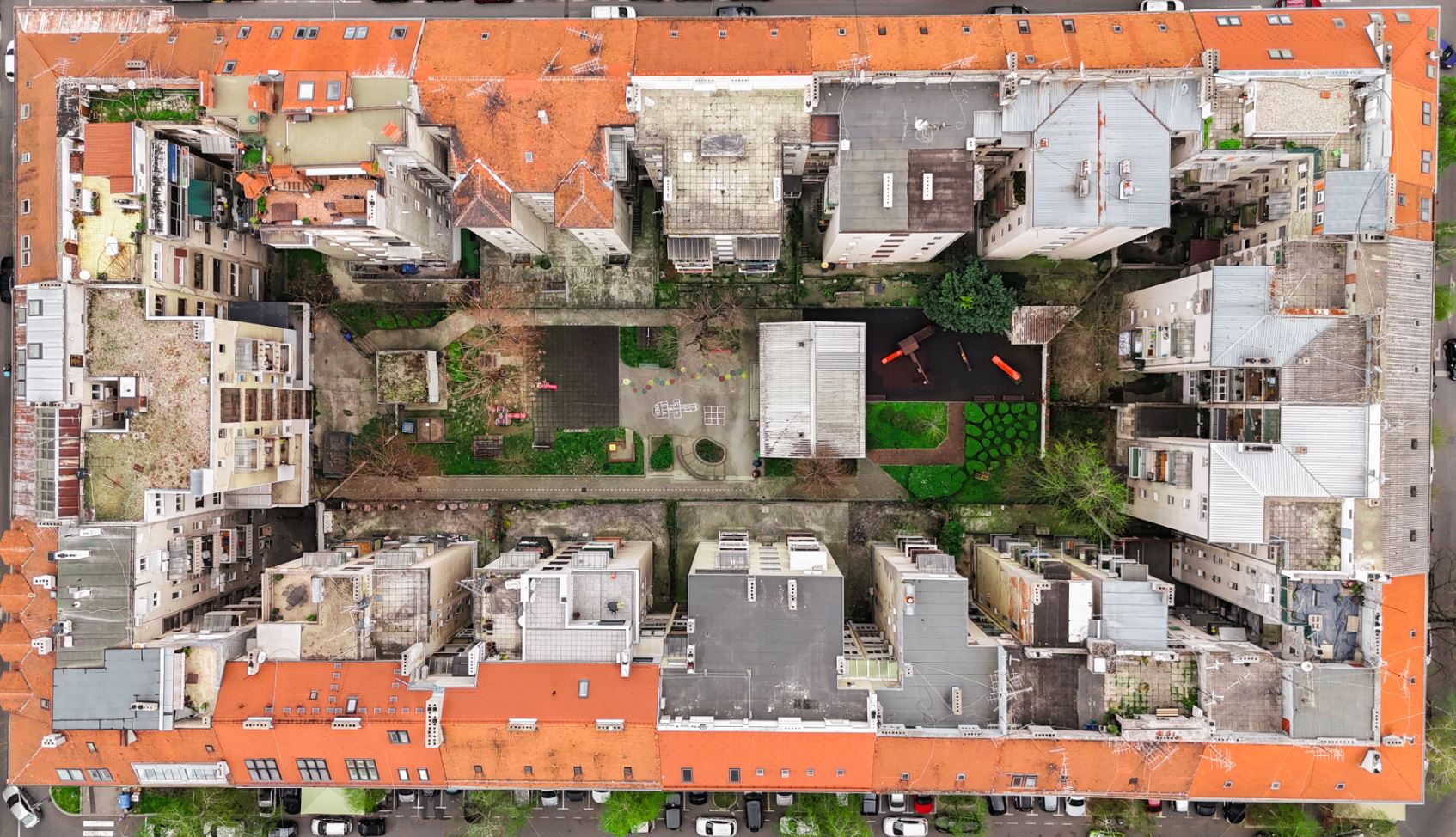
Activating Green Courtyards for Carbon Neutrality (ActGREEN) is transforming private and semi‑public spaces into small climate solutions driven by nature‑based approaches.
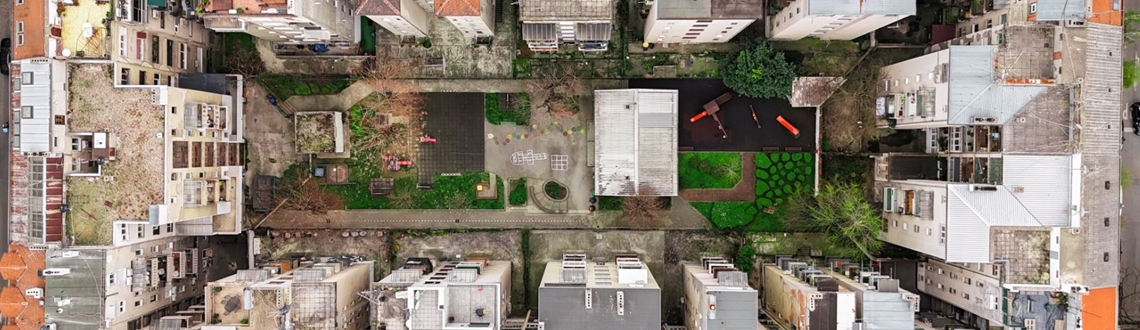
“We use funds to support the greening of private or semi‑private courtyards. These inner courtyards, built in the 19th and 20th centuries, were neglected and contributed to urban heat‑island effects. Now, with citizen participation - the foundation of the pilot - they are becoming green, permeable and climate‑friendly spaces,” explained Nebojša Ivančević, Senior Advisor at the City of Zagreb.
Its success lies in a clear and practical design that citizens can easily engage with. The City introduced a
Courtyard Greening Decision that clearly defines conditions and procedures for residents who wish to apply. The response exceeded expectations, with more than 270 applications submitted in the first public call.
“Eighteen courtyards are being financed this year from the city budget, and seven through EU funds. Applicants are usually building representatives or groups of residents, not individuals, and many older citizens have shown remarkable enthusiasm,” Ivančević said.
These renovated courtyards replace concrete and asphalt with trees, permeable and sun‑reflective surfaces, composters, urban furniture, LED lighting and rainwater‑reuse systems - practical nature‑based solutions that cool neighbourhoods, manage water and make shared spaces more pleasant to live in.
The interventions lower surface temperatures, reduce flooding and improve social cohesion.
“It’s a participatory approach that improves quality of life while reducing the carbon footprint,” Ivančević said.
From learning to leading
For the city team, the Pilot Cities Programme has been more than a funding source. It has become a laboratory for collaboration.
“Sensemaking activities and opportunities for cooperation have been invaluable,” Ivančević said. “We exchanged experiences with other cities, gained new ideas and learned how others address similar challenges. It was a large‑scale learning opportunity.”
Sedlar added that the process has reshaped how Zagreb manages its climate strategy. The city now updates its City Climate Contract annually to reflect the rapidly changing climate and political landscape.
“The pace of change is enormous. That’s why we treat the City Climate Contract as a living document, an innovation lab where pilot projects and feedback loops help us continuously adapt,” he said.
This approach is already influencing national policy. Zagreb’s integrated energy‑and‑climate planning model, first tested locally, is now being adopted in the new Croatian Spatial Planning Act.
A model for Europe
Zagreb’s journey offers insight into what systemic urban transformation can look like, where spatial planning, finance, design and citizen engagement reinforce one another. The city is turning its courtyards into carbon sinks, empowering communities to lead change and embedding climate action into the very structure of governance.
“We realised that innovation must happen in every area. The key is to integrate it into the city’s everyday processes,” Sedlar said.
Zagreb’s story proves that a green city is not defined by the number of parks, but by the systems that sustain them.
Author: Barbara Jarkiewicz (NZC)
The original text can be viewed at the link:
Zagreb’s Model for Sustainable Urban Transformation