Zagreb is allocating hundreds of thousands of euros for the renovation of private courtyards, and we took a look inside one of them: “A tree is a tree wherever it is planted…”
For the first cycle with eight locations, a budget of 345,000 euros has been secured, and 25 more have already been selected where trees and hydrangeas will be planted next year, along with the installation of benches.
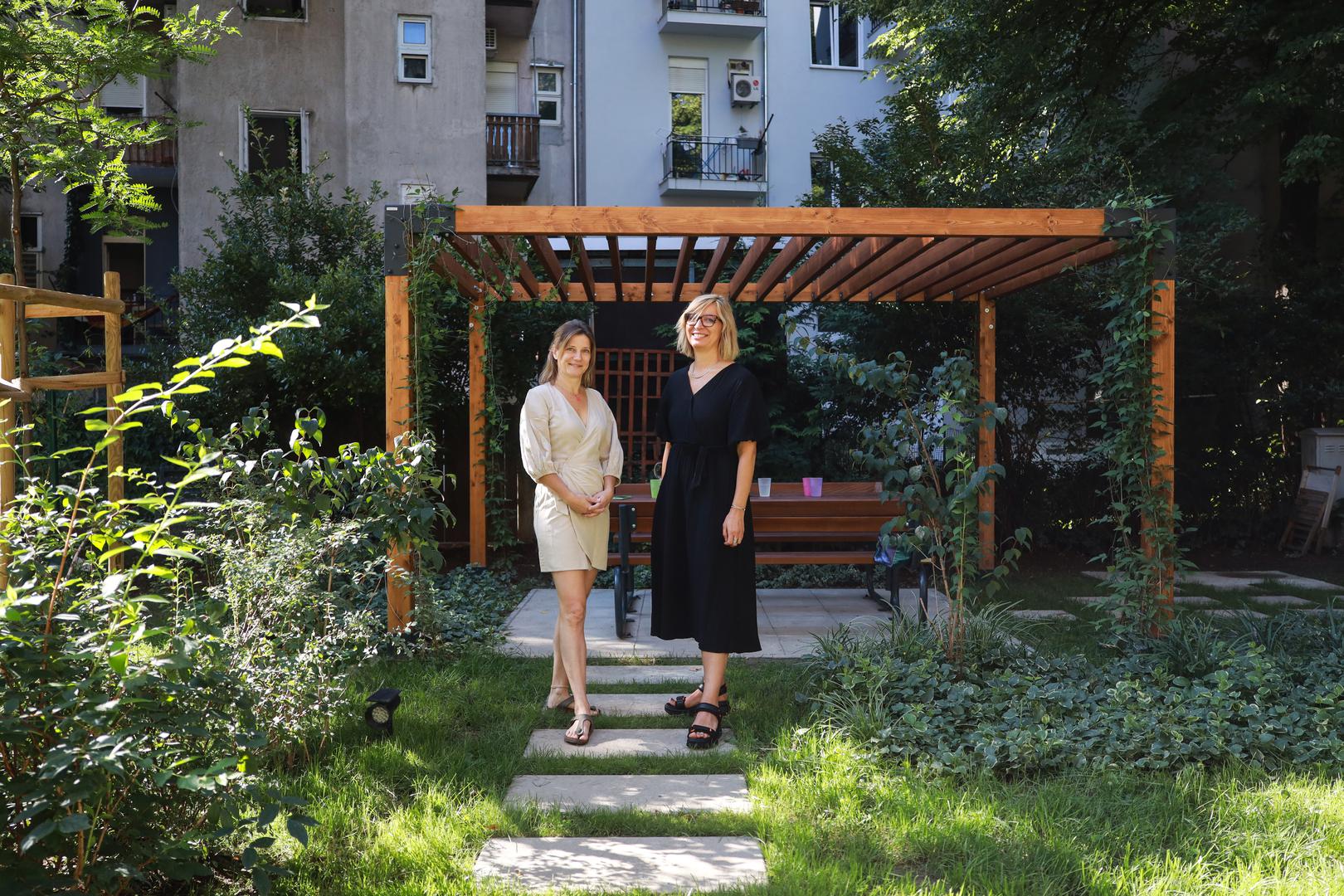
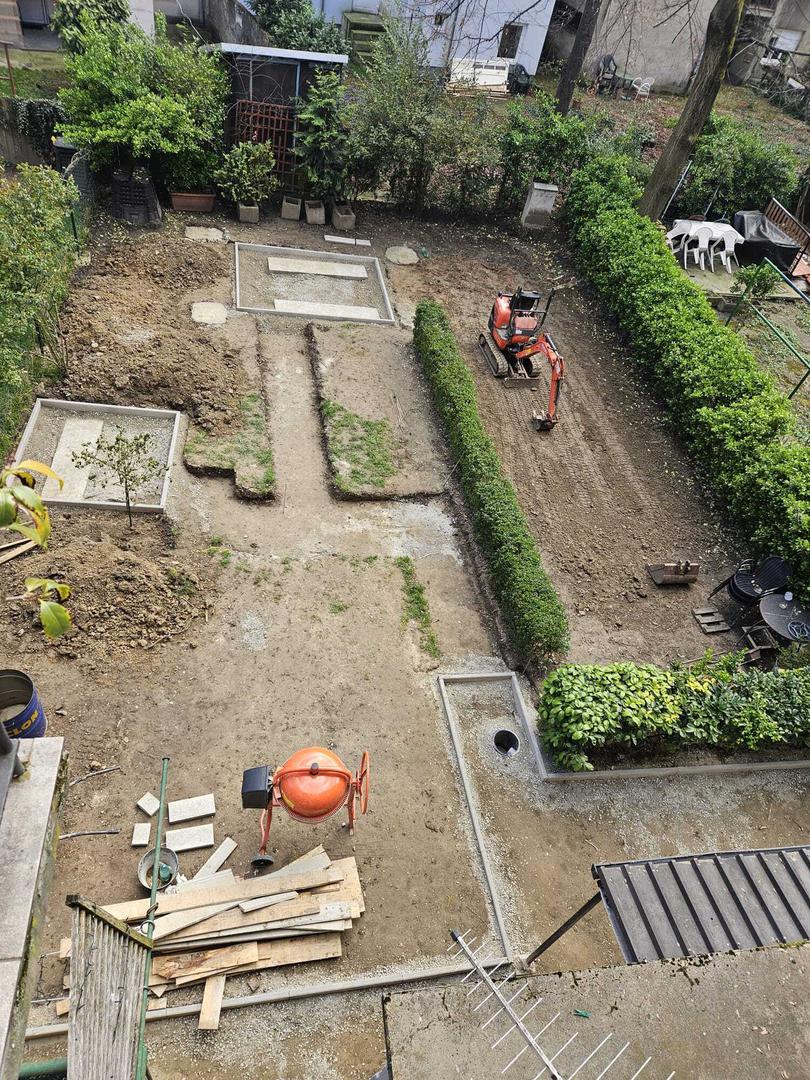
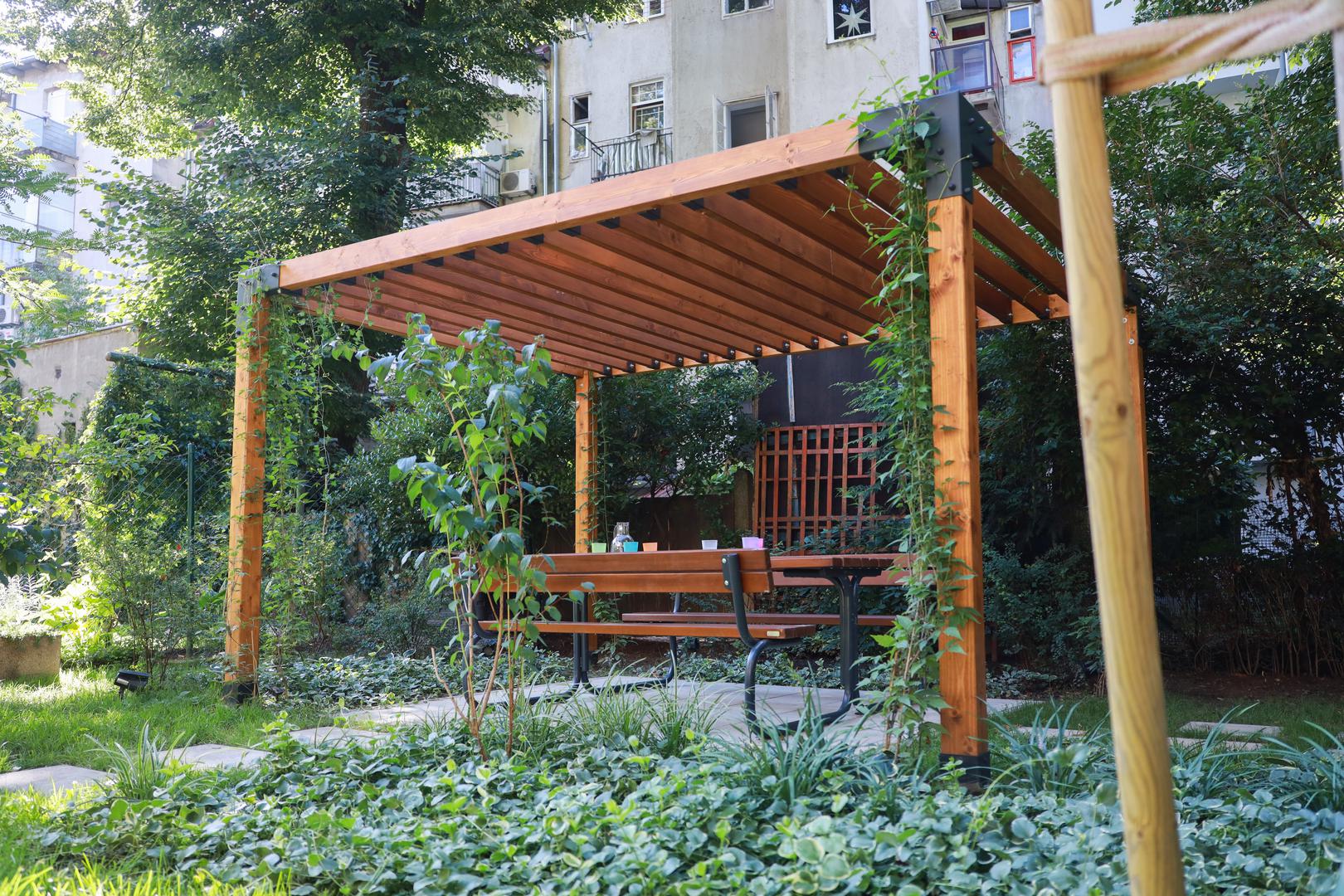
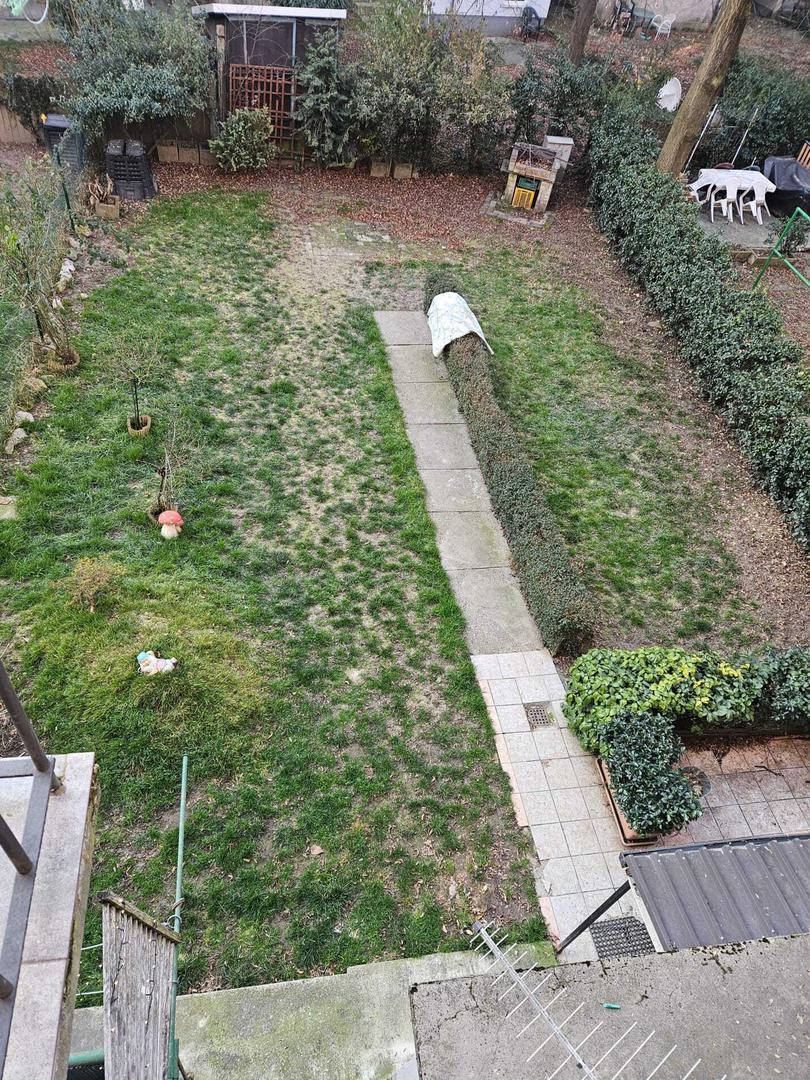
Instead of grey concrete slabs and neglected shrubs, there are now tidy lawns, daylilies and clematis, as well as several young trees whose canopies will provide more shade as they grow.
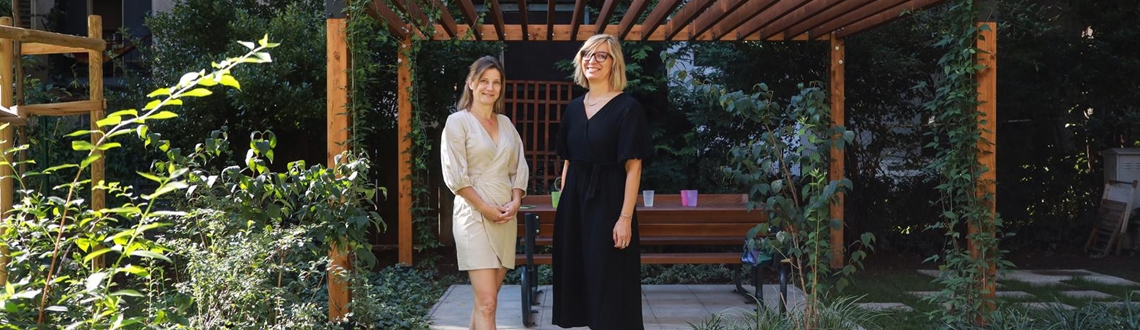
And one of the biggest advantages, says Helena Pavačić, representative of the co‑owners of the building at Novotnijeva 9, is precisely that during extreme heat residents can spend time in a courtyard where the temperature is indeed several degrees lower. It was renovated as part of the city’s pilot courtyard‑greening project, launched last year with a budget of 345,000 euros.
It included eight courtyards, among them another one in Novotnijeva Street, as well as those in Šandor Brešćenski Street, Preradovićeva, Klaićeva, Basaričekova and Zvonimirova, and on Svačić Square.
I saw the City’s post on Facebook and applied.
I am an agronomist by profession and I also completed a garden‑design school, so I decided to apply everything I know, from writing the project to choosing the plants,” explains Helena Pavačić, adding that her neighbours enthusiastically accepted the proposal to participate. Since spring, when the renovation was completed, the 150‑square‑metre area looks unrecognisable, she says as she shows us around the courtyard. In addition to the lawn, many shrubs were planted, several hydrangeas, jasmine, clematis and a number of easy‑to‑maintain species, and they also received birdhouses and an insect hotel.
It is important that anyone starting such a project thinks about future maintenance. Flower beds look beautiful, but if dogs run across the courtyard every day, it won’t last,” the representative of the co‑owners points out. And in maintaining their little oasis, she notes, all residents participate. “I personally enjoy taking care of this garden because it is my profession, but it also relaxes me.
It has also become a place where neighbours socialise, talk more often and gather spontaneously, and we have decided to get a barbecue,” says Helena Pavačić, adding that she hopes their example will encourage others to renovate their courtyards.
That this is a project with long‑term value is confirmed by Irena Matković, Deputy Head of the City Office for Reconstruction, Construction, Spatial Planning and Municipal Services.
For the second year in a row, she notes, around eight thousand trees have been planted in the capital, which is a huge step forward compared to the previous decade, when the average was between 2,500 and 3,000. To expand greening efforts, they decided to include private parcels as well.
In the city centre it is increasingly difficult to find locations, parks are already formed and public spaces are limited. That is why we decided to enter private courtyards. A tree is a tree — wherever it is planted, it gives the same contribution, produces oxygen, improves biodiversity and reduces heat islands,” says Irena Matković.
And they do not plan to stop, she adds, so for the continuation of the project in 2026, 25 new locations have already been selected from among three hundred applications, and the city administration emphasises that their goal is to reach a pace of 30 to 40 courtyards per year.
Most of them — 18 areas — will be greened with funds from the Zagreb city budget, for which 400,000 euros have been allocated, while the renovation of the remaining ones will be financed through the Horizon Europe programme as part of the
ActGreen project, i.e. the activation of green courtyards for carbon neutrality, which the City is implementing in cooperation with the Faculty of Agriculture, the Croatian Association of Landscape Architects and the organisation Odraz.
The works supported by the City include the removal of asphalt and concrete surfaces, planting of trees and native plants, and lawn installation, followed by the installation of urban equipment and rainwater‑collection systems. In some courtyards, solar lighting, playground equipment and composters are also planned, as well as birdhouses and insect houses.
So far, educational workshops have also been held for residents in the districts of
Donji and Gornji Grad,
Trešnjevka North and South, and Peščenica - Žitnjak, and new ones are planned.
Source: Gabrijela Krešić,
Večernji list
Photos: Večernji list, private album.