Creating meaning during the implementation of the project ActGREEN - Activating green courtyards for carbon neutrality, within the Horizon programme and the NetZeroCities call, focuses on cooperation, information sharing and other knowledge‑gathering activities so that the knowledge gained can be directed towards our project partners, project‑activity followers and enthusiasts.
In this article,
we focus on urban forestry, nature‑based solutions such as the 3/30/300 rule, and interesting expert approaches.
The adoption of the
EU Nature Restoration Regulation (EU) 2024/1991 is expected to further support urban forestry as part of the broader urban agenda for nature. Article 8 of the Nature Restoration Regulation on restoring urban ecosystems requires:
- that by 2030 there is no net loss of urban green areas and tree canopy cover,
- that from 2031 urban green areas must increase every six years, and
- the integration of green areas into buildings and infrastructure (importantly, the increase in green areas should reach a “satisfactory level”, which still needs to be defined by Member States).
In addition, Article 13 requires Member States to contribute to the obligation of planting at least three billion additional trees by 2030 at the EU level, with the increase of urban green areas as a key element of this effort.
The Nature Restoration Regulation further complements the implementation of the
EU Biodiversity Strategy for 2030, which states that cities with more than 20,000 inhabitants must develop ambitious urban‑greening plans.
Urban‑greening plans are strategic frameworks that formalise a city’s commitment to promoting biodiversity and urban nature. They create a multi‑level framework that helps authorities integrate existing policies, measures and strategies related to biodiversity and urban greening across departments and sectors.
Urban trees, forests and green spaces are increasingly recognised as important components of more liveable, healthier and more resilient cities. Functional urban ecosystems help clean air and water and cool urban heat islands. They also support our well‑being by protecting us from floods and landslides and providing opportunities for recreation.
This policy brief identifies opportunities for expanding sustainable urban and peri‑urban forestry (UPF) in the UNECE region (United Nations Economic Commission for Europe). UPF is a cost‑effective nature‑based solution that provides many ecosystem services and benefits contributing to sustainable development, climate action, biodiversity conservation, combating land degradation and reducing disaster risk at local, national and global levels.
A simple typology of urban forests has recently emerged, identifying five key types:
- peri‑urban forests,
- city parks and urban forests (> 0.5 ha),
- pocket parks and tree‑filled gardens (< 0.5 ha),
- street trees and trees on public squares, and
- other green areas such as botanical gardens, urban agriculture plots or riverbanks.
For UPF to fulfil its potential, it must be:
Integrative, connecting different components of urban and peri‑urban green structures dominated by trees.
Strategic, taking a long‑term perspective and applying natural‑resource management principles.
Multifunctional, providing many different ecosystem services simultaneously to meet diverse needs and deliver multiple benefits to society.
Interdisciplinary, uniting contributions from a wide range of disciplines and professions.
Inclusive, focusing on cooperation with local urban communities and good governance to optimise ecosystem‑service delivery.
Urban and peri‑urban, recognising the need for action in dynamic, high‑pressure urban contexts, often with challenging conditions for growing urban trees.
The “3/30/300 rule” is a guideline proposed by the Institute for Nature‑Based Solutions, which states that:
• 3 Everyone should be able to see at least 3 mature trees from their home and workplace or place of study,
• 30 Every neighbourhood should have 30% tree‑canopy cover, and
• 300 The maximum distance to the nearest high‑quality public green space should be 300 metres.
In this way, the benefits of urban trees for public health and climate are extended to all neighbourhoods and all individual residents.
These targets are based on evidence linking distances from homes and workplaces, as well as canopy‑cover density, with many of the UPF benefits highlighted in this brief. However, given the great diversity of cities in the UNECE region, the most appropriate targets for a particular city should take local context into account.
The “3/30/300 rule” also makes it clear that trees are not always the solution and that other, locally appropriate types of vegetation may sometimes be needed.
Sources:
https://op.europa.eu/en/publication-detail/-/publication/aeb73167-0acc-11ec-adb1-01aa75ed71a1
https://eur-lex.europa.eu/legal-content/HR/ALL/?uri=CELEX:32024R1991
https://eur-lex.europa.eu/legal-content/HR/TXT/HTML/?uri=CELEX:52020DC0380
https://op.europa.eu/en/publication-detail/-/publication/bdb452c0-901c-11ef-a130-01aa75ed71a1/language-en
https://unece.org/forestry-timber/documents/2023/02/informal-documents/policy-brief-sustainable-urban-and-peri-urban
https://unece.org/sites/default/files/2023-03/Urban%20forest%20policy%20brief_final_0.pdf
https://forest.eea.europa.eu/resources/research-corner/research-highlights/urban-forestry-multi-functional-greening-in-the-city
https://nbsi.eu/the-3-30-300-rule/
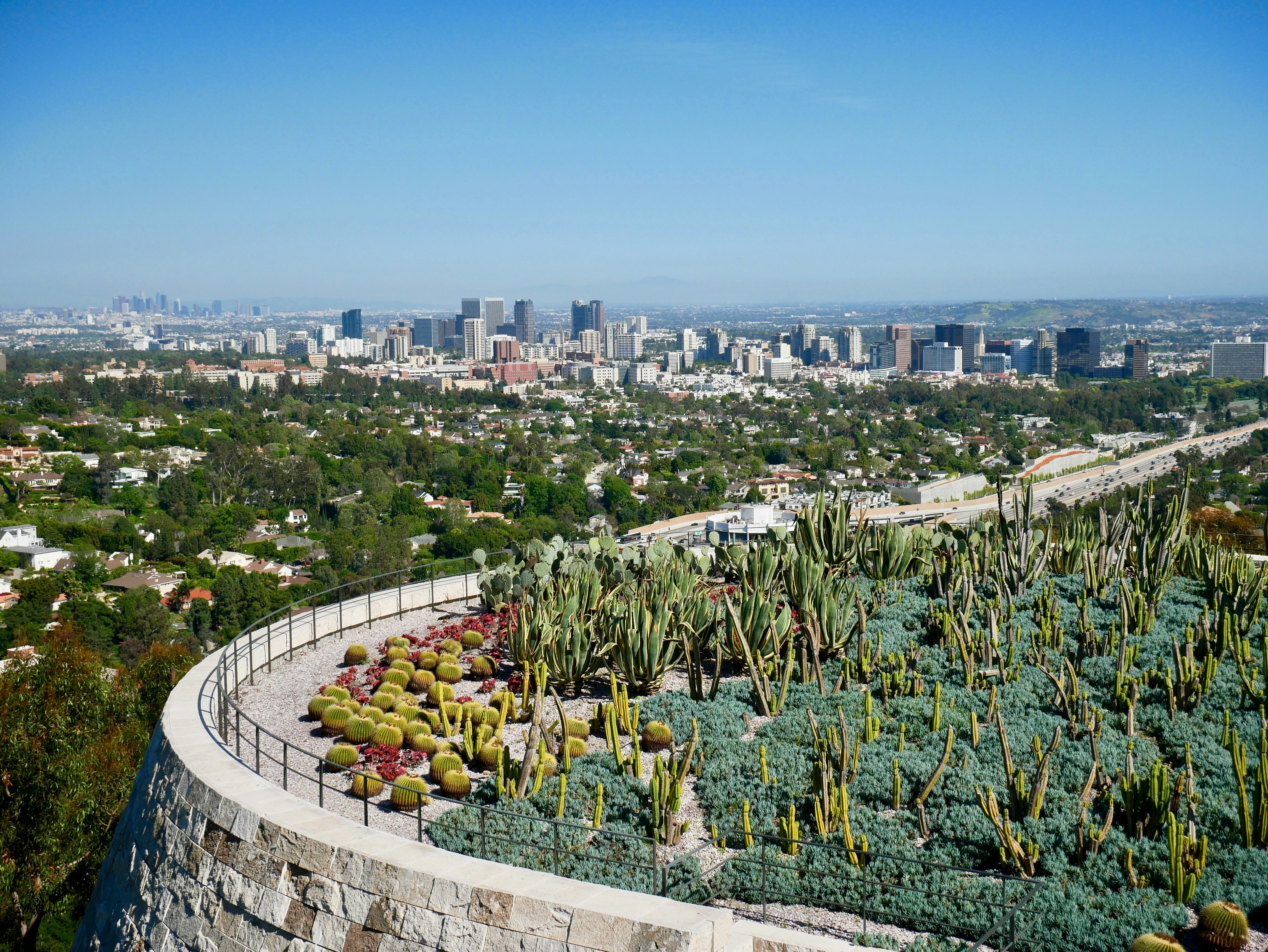
Image: Unsplash