The City of Zagreb, as a signatory of the Mission of 100 Climate‑Neutral and Smart Cities and the Mission on Climate Adaptation, is actively working on decarbonisation and climate resilience through the two‑year pilot project “Activation of Green Courtyards for Carbon Neutrality”.
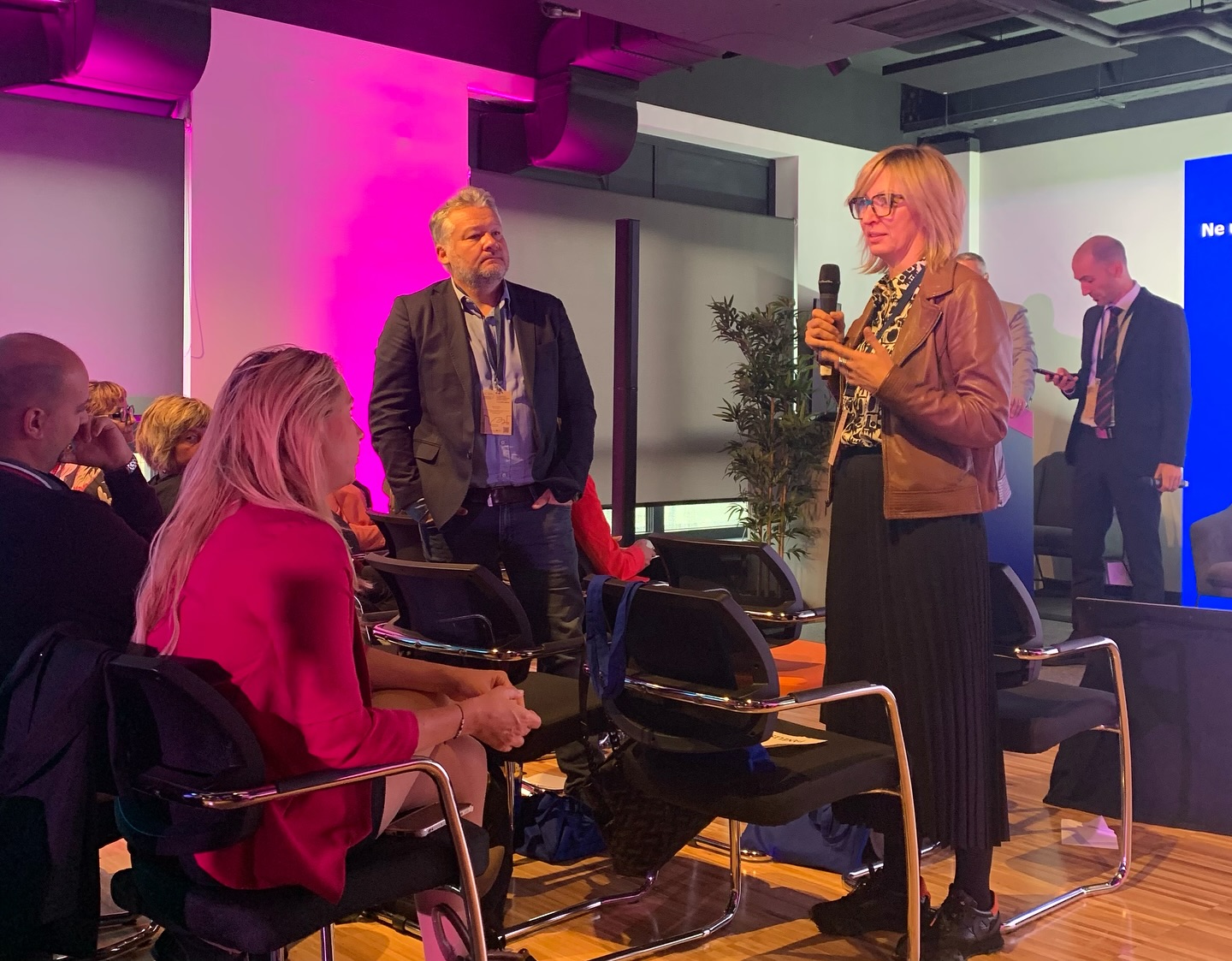
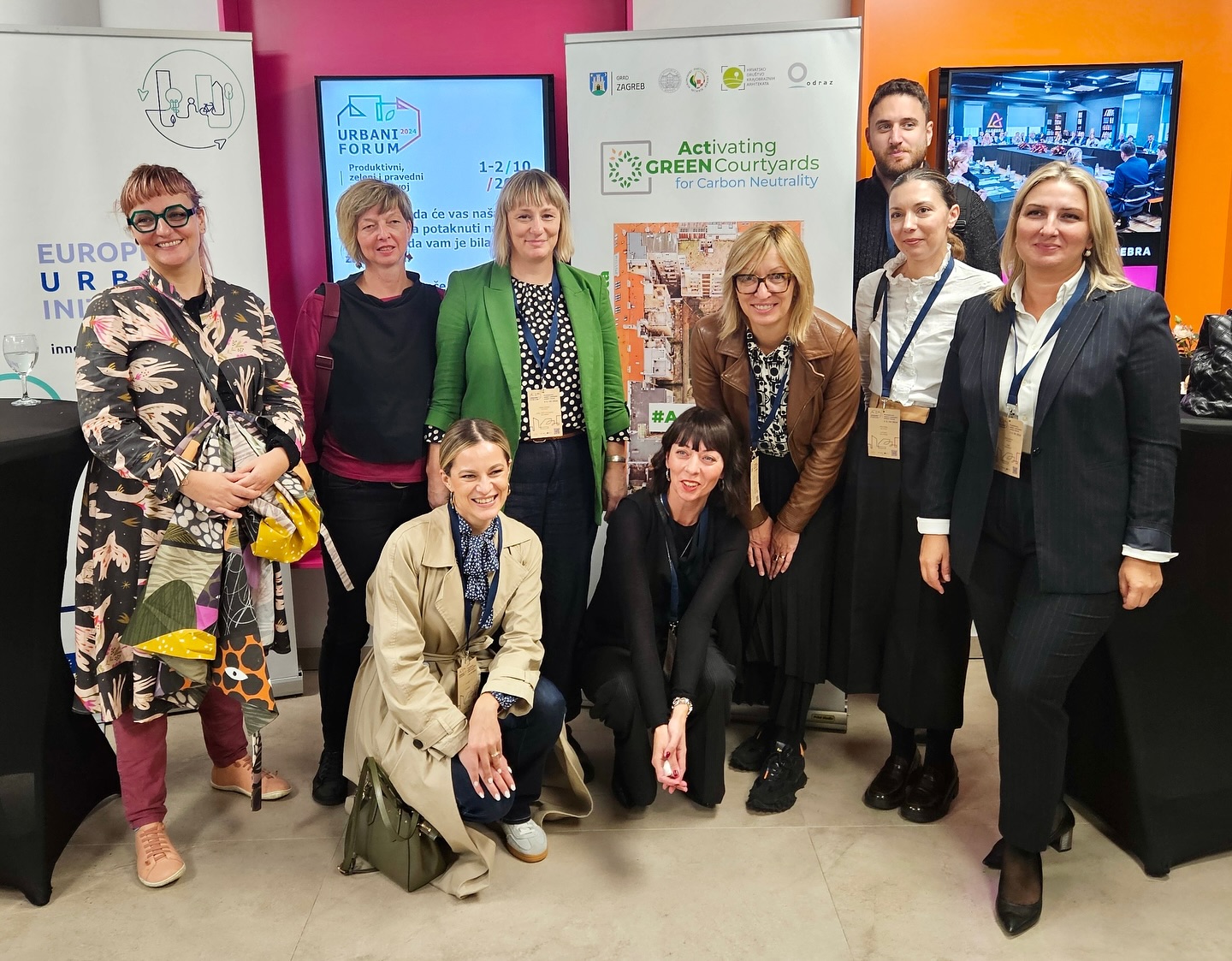
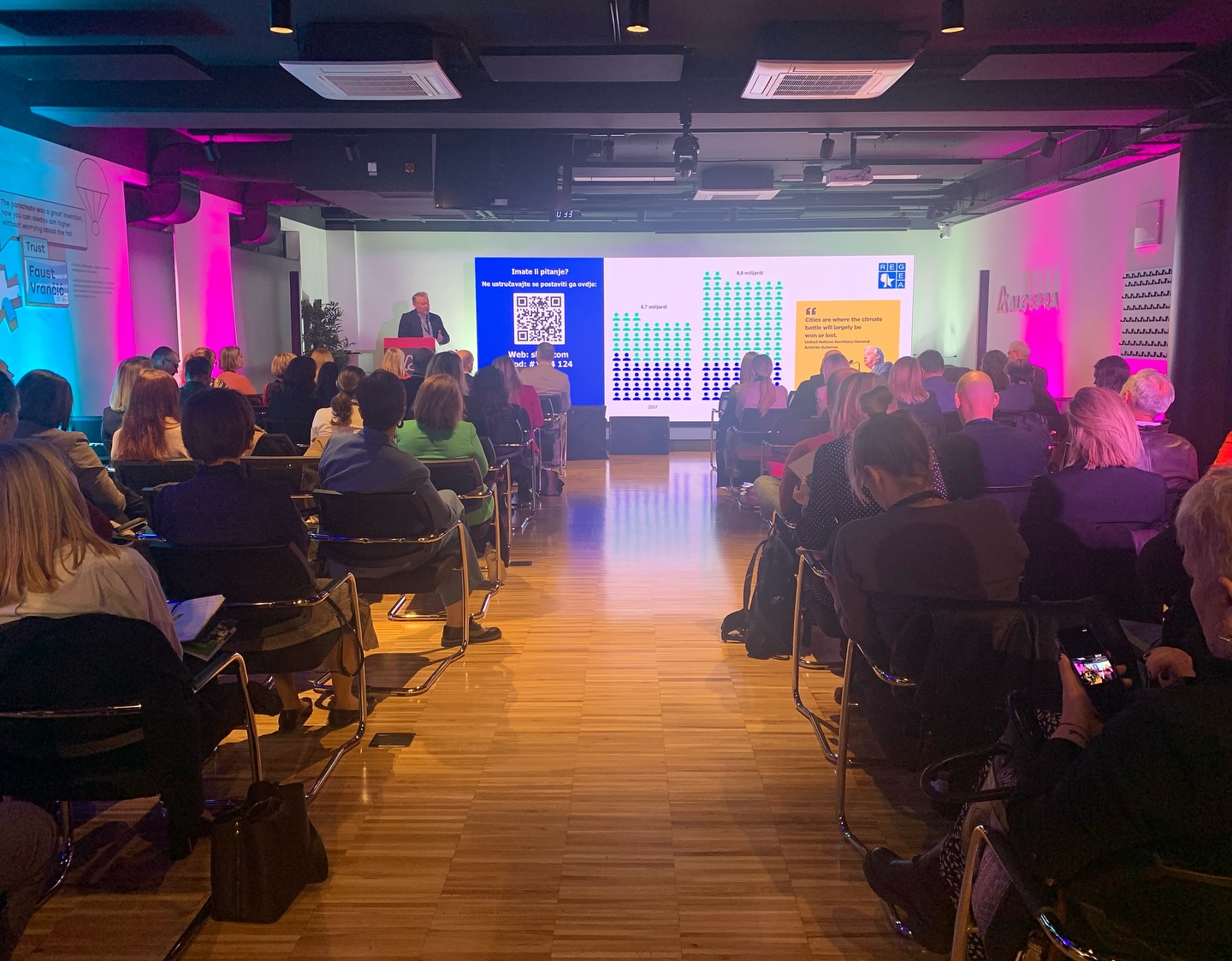
As part of the first national Urban Forum titled “Productive, Green and Fair Urban Development”, organised by the Association of Cities, a public presentation of the project was held on 2 October 2024.
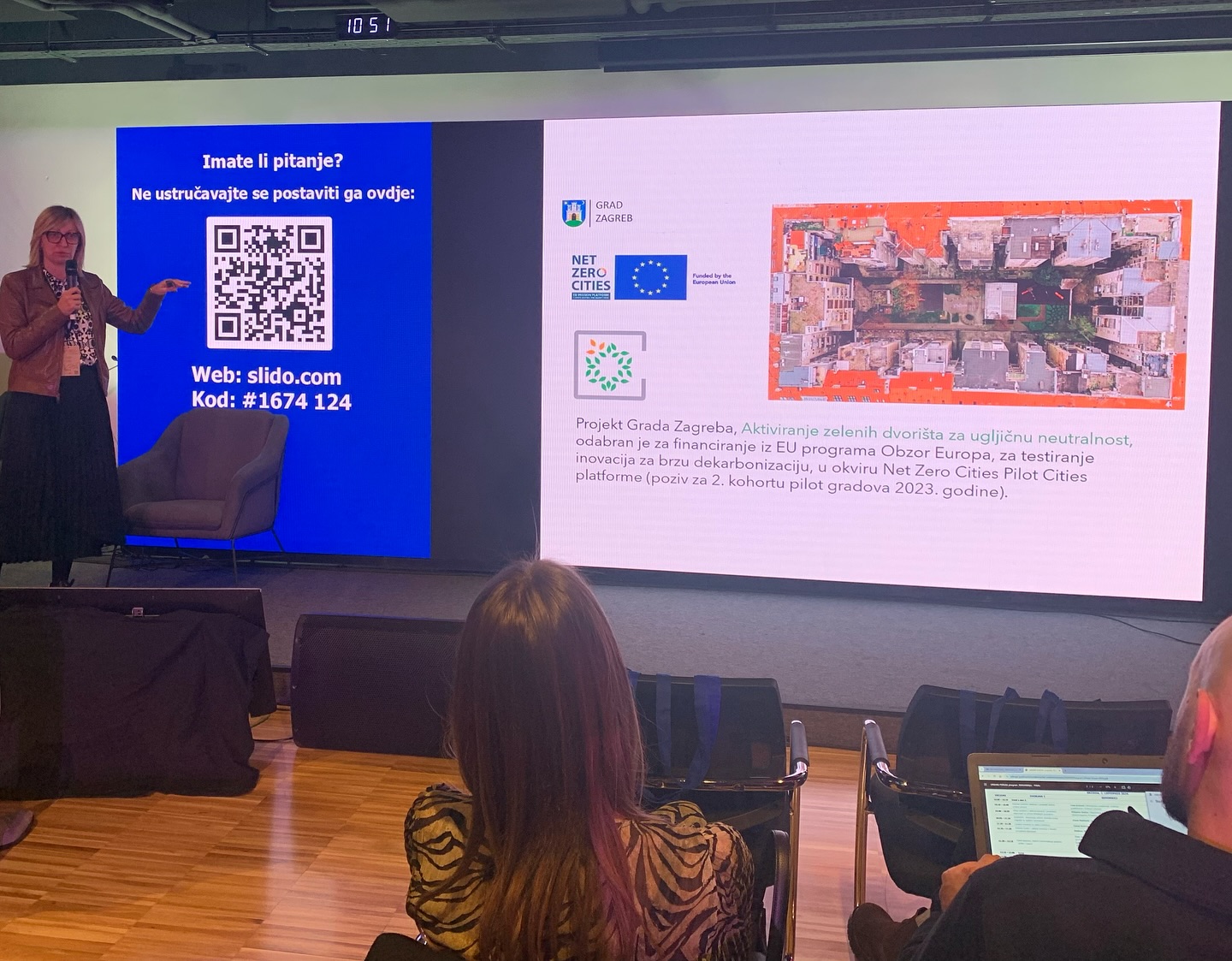
The aim of the project is to transform private and semi‑public spaces into green oases with low CO₂ emissions. An added value of the project is the involvement of citizens and the strengthening of the local community, with the goal of improving the urban environment and adapting to climate change. For this reason, it has been recognised as an innovative approach to city decarbonisation and selected as a pilot project of the NetZeroCities platform.
The involvement of citizens and experts from various fields, as well as the exchange of knowledge and experiences with other pilot cities, will strengthen the capacity of the City of Zagreb to successfully test innovative approaches designed to create positive change.
During the project implementation, many innovations are planned, such as new green areas, tree planting, LED lighting powered by green energy, bicycle/scooter racks, children’s playgrounds, rainwater‑harvesting systems and high‑quality urban furniture. For each courtyard, residents and stakeholders will be consulted from the beginning, and their ideas and suggestions will be included in the preparation of the final design.
As part of the project, a Working Group for Climate Neutrality through Greening will be established, with the purpose of overseeing and encouraging green transformation and achieving climate neutrality through active involvement of local stakeholders. The goal is to create new forms of local participation and encourage dynamic community engagement in the process of climate‑neutral greening.
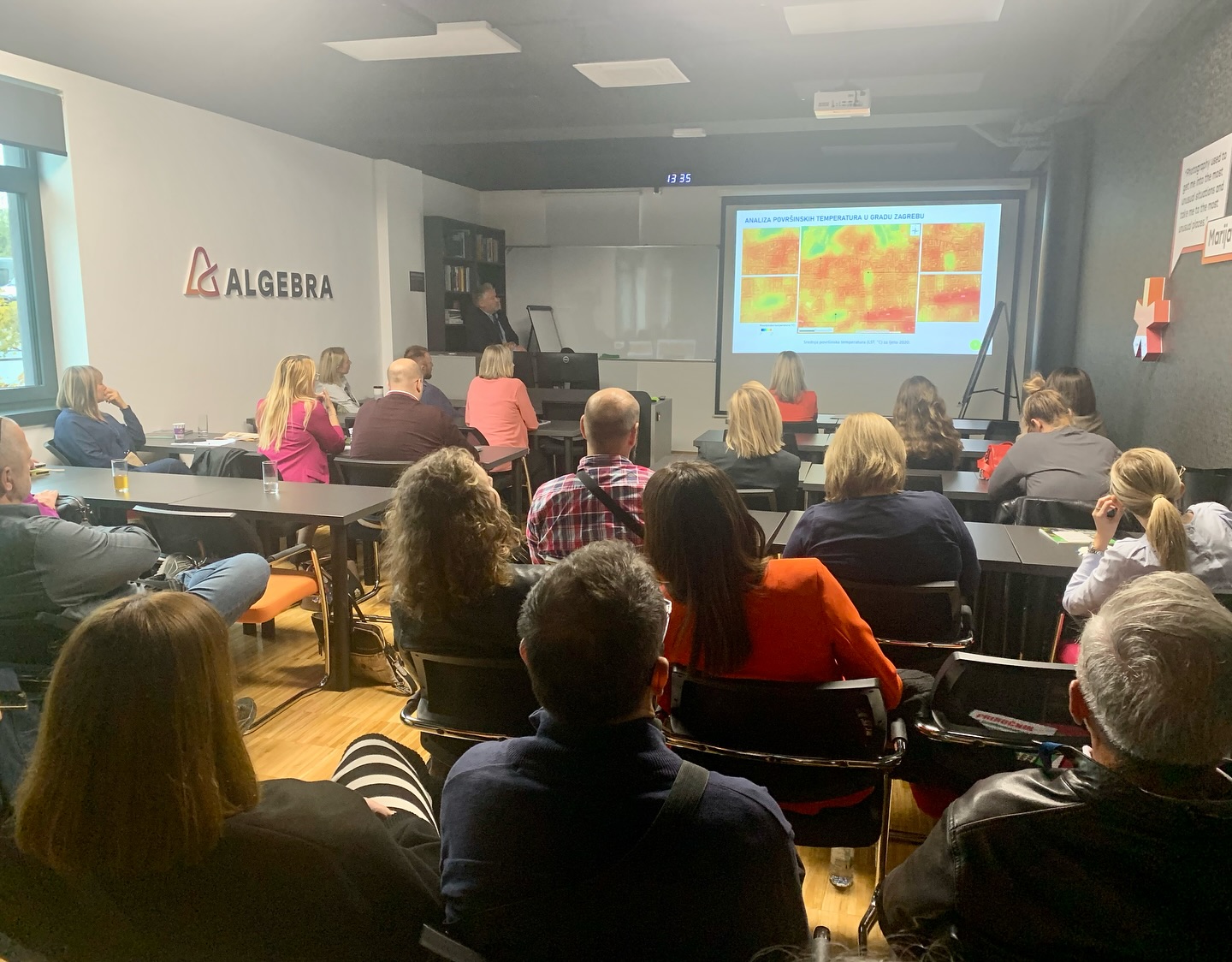
Miljenko Sedlar from REGEA delivered the introductory presentation on the role of cities in the green transition and climate resilience. In his presentation, he highlighted the importance of analysing climate change, noting that the number of hot nights, when temperatures do not fall below 20°C, has significantly increased, with 46 such nights recorded this summer. According to him, this is several times more than in 1990.
Irena Matković, Deputy Head of the City Office for Reconstruction, Construction, Spatial Planning, Building and Municipal Services, presented the idea and main activities of the project. She emphasised that the project to activate green courtyards has already begun with preparatory activities and announced the upcoming public call inviting citizens to join the project and green their courtyards and other spaces. This initiative aims to encourage the community to participate in creating greener and more sustainable urban environments.
Luka Korlaet, Deputy Mayor of the City of Zagreb, took part in a panel discussion on the green transformation of cities, sharing experiences and the vision for Zagreb’s future in the context of the green transition. He emphasised that the City, as a signatory of the Mission of 100 Climate‑Neutral and Smart Cities, will continue to actively work on decarbonisation and increasing the share of renewable energy sources, as well as adapting all sectors to the impacts of climate change.
After the panel, Miljenko Sedlar held a workshop titled “Planning, Tools and Implementation of Green Infrastructure Measures and Nature‑Based Solutions”, which provided participants with practical insights into planning and implementing green measures in urban environments.